

 By By Admin
Creation
When human beings discuss the inventory market, one call often appears in monetary news, investment reports, and monetary evaluation: Dow Jones Industrial Average. Typically referred to as the Dow Jones or certainly the Dow, it is one of the maximum identified stock market indexes within the global.
For greater than a century, the Dow Jones has served as an important indicator of the fitness of the U.S. financial system and the overall performance of main agencies. Traders, enterprise leaders, policymakers, and monetary analysts closely screen its movements to understand marketplace developments and financial conditions.
This newsletter explores what the Dow Jones is, how it works, why it matters, and its have an effect on on the global financial system.
What’s the Dow Jones?
The Dow Jones Industrial Common (DJIA) is a inventory market index that tracks the performance of 30 large, publicly traded groups within the U.S.A.
The index become created to offer a image of ways principal American companies are acting.
Nowadays, it stays one of the maximum broadly followed financial benchmarks worldwide.
Even though it includes only 30 organizations, those firms constitute some of the maximum influential companies throughout diverse industries.
History of the Dow Jones
The Dow Jones Commercial Common was created in 1896 by using Charles Dow and Edward Jones.
At its release, the index contained simply 12 industrial agencies.
The aim turned into simple: provide traders with an easy way to degree overall market performance.
Over time, the American economic system expanded past production, and the index developed to encompass companies from sectors including:
- Era
- Healthcare
- Finance
- Purchaser Goods
- Telecommunications
Nowadays, the Dow reflects a broader picture of company America.
How the Dow Jones Works
In contrast to many stock indexes, the Dow uses a rate-weighted method.
This indicates organizations with higher share costs have a extra impact at the index’s movement.
The concept can be illustrated via:
DJIA = Sum of Stock Prices ÷ Dow Divisor
Instead of being based on organisation length or market capitalization, the Dow’s fee depends in large part at the stock fees of its thing companies.
Because of this specific structure, movements in sure stocks can extensively affect the index.
Organizations Covered Within the Dow
The Dow Jones includes 30 important agencies which are considered leaders in their industries.
Examples encompass groups from sectors including:
- Era
- Healthcare
- Monetary Offerings
- Retail
- Patron Merchandise
- Commercial Manufacturing
Some of the maximum identified corporations related to the Dow encompass:
- Apple
- Microsoft
- Goldman Sachs
- Coca-Cola
- McDonald’s
The composition of the index every so often changes to reflect shifts inside the economy.
Why the Dow Jones Topics
The Dow is greater than just a collection of inventory costs.
It serves as a key indicator of:
- Investor Self Belief
- Corporate Performance
- Financial Sentiment
- Market Traits
- Financial Balance
When the Dow rises significantly, it frequently shows optimism about financial growth.
When it falls sharply, buyers might also interpret it as a sign of uncertainty or monetary demanding situations.
Dow Jones vs Different Main Indexes
Dow Jones
- Tracks 30 Large Companies
- Price-Weighted
- Lengthy Historic Record
S&P 500
- Tracks About 500 Huge Agencies
- Marketplace-Cap Weighted
- Broader Marketplace Illustration
NASDAQ Composite
- Consists of Heaps of Shares
- Robust Era Recognition
- Increase-Oriented Organizations
While each index offers treasured insights, the Dow remains one of the maximum identified symbols of market overall performance.
How Buyers Use the Dow
Investors screen the Dow for numerous reasons.
Marketplace Path
The index allows pick out usual market tendencies.
Economic Evaluation
Economists use it as one indicator of enterprise self assurance.
Portfolio Benchmarking
Many traders evaluate their returns to principal indexes.
News and Sentiment
The Dow often reflects how traders react to monetary activities and corporate trends.
Although it must now not be considered as the only measure of monetary health, it remains a valuable device.
Elements That Have An Effect On the Dow
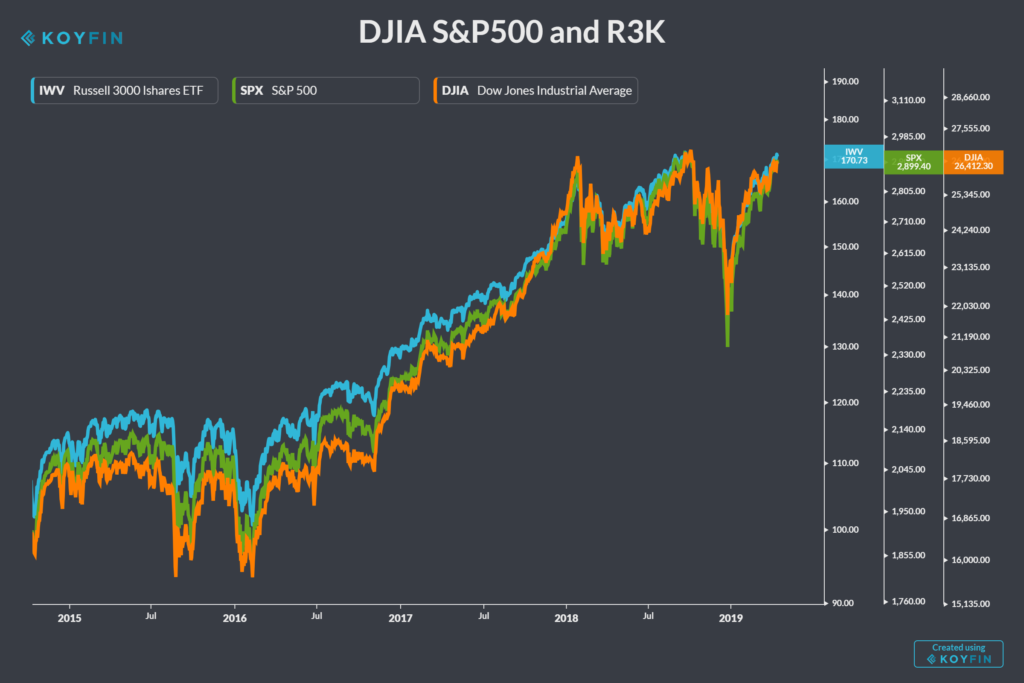
Many events can have an effect on the motion of the Dow Jones.
Monetary Records
Reports on employment, inflation, and economic boom can have an effect on investor sentiment.
Corporate Earnings
Sturdy income often guide inventory charges, even as disappointing results may additionally cause declines.
Hobby Quotes
Significant bank choices can substantially impact markets.
International Activities
Political tendencies, conflicts, and international financial trends may also have an effect on investor confidence.
Technological Innovation
Breakthroughs and industry modifications can affect major businesses inside the index.
The Dow Jones and the Worldwide Economy
Despite the fact that the Dow focuses on U.S. agencies, its influence extends some distance beyond America.
Buyers international watch the index because:
- The U.S. financial system plays a imperative function in global markets.
- Many Dow groups operate the world over.
- Marketplace sentiment frequently spreads across countries.
A main flow inside the Dow can influence markets in Europe, Asia, and different regions.
For that reason, the index is regularly considered as a worldwide economic benchmark.
Foremost Historic Moments
Throughout its records, the Dow has experienced big highs and lows.
The First-Rate Depression
The index suffered intense declines at some stage in the financial crisis of the Thirties.
Submit-War Expansion
Sturdy monetary growth helped force lengthy-time period gains.
Technology Growth
Rapid innovation contributed to fundamental market advances.
Financial Crises
Durations of uncertainty triggered sharp marketplace volatility.
Current Recuperation Cycles
The index has repeatedly recovered from economic downturns and marketplace shocks.
These occasions show the resilience of financial markets through the years.
Advantages of Following the Dow
There are several reasons why the Dow remains popular.
Simplicity
It is easy to recognize and broadly pronounced.
Ancient Importance
More than a century of records provides valuable context.
Company Illustration
It consists of many of the United States’s maximum influential agencies.
Market Insight
The index gives a short picture of investor sentiment.
These strengths help give an explanation for its persisted relevance.
Criticisms of the Dow
Despite its popularity, a few analysts criticize the Dow.
Common issues include:
- Simplest 30 Companies Are Covered
- Fee Weighting Can Distort Impact
- It Could Not Absolutely Constitute the Contemporary Economy
- Broader Indexes Might Also Provide Greater Comprehensive Insurance
As a result, many professionals additionally take into account other indexes along the Dow.
The Future of the Dow Jones
Monetary markets preserve evolving.
Future adjustments may consist of:
- New Company Additions
- Increased Technology Illustration
- More Emphasis on Innovation Sectors
- Continued Version to Economic Shifts
No matter converting market conditions, the Dow is probably to remain one of the international’s most identified monetary signs.
Conclusion
The Dow Jones Industrial Common is a long way more than a stock market statistic. It is a image of economic performance, investor self assurance, and company fulfillment. For over a century, it has helped investors apprehend market developments and compare the fitness of foremost American corporations.
Whilst more recent indexes may also offer broader insurance, the Dow’s ancient significance, simplicity, and worldwide popularity make sure its persisted relevance. Whether or not you’re a novice learning approximately investing or an skilled marketplace participant, knowledge the Dow Jones affords treasured insight into how monetary markets and the wider financial system operate.
FAQs
What Is the Dow Jones?
The Dow Jones Commercial Common is a inventory market index that tracks 30 fundamental U.S. businesses.
Who Created the Dow Jones?
It became created with the aid of Charles Dow and Edward Jones in 1896.
How Many Corporations Are Inside the Dow?
The index includes 30 massive publicly traded businesses.
Why Is the Dow Vital?
It serves as a extensively recognized indicator of market overall performance and investor sentiment.
How Is the Dow Calculated?
It uses a charge-weighted method based totally at the inventory prices of its thing groups.
Is the Dow Similar to the Stock Marketplace?
No. It represents simplest 30 companies and is considered one of numerous main marketplace indexes.
How Does the Dow Range From the S&P 500?
The Dow tracks 30 agencies, at the same time as the S&P 500 tracks about 500 companies.
Can Traders Make Investments Without Delay in the Dow?
Not directly, however they can invest in finances that song the index.
Why Does the Dow Pass Up and Down?
Monetary data, company earnings, hobby charges, and global activities impact its overall performance.
Does the Dow Affect Worldwide Markets?
Yes. Due to the importance of the U.S. financial system, Dow actions regularly have an effect on investor sentiment worldwide.